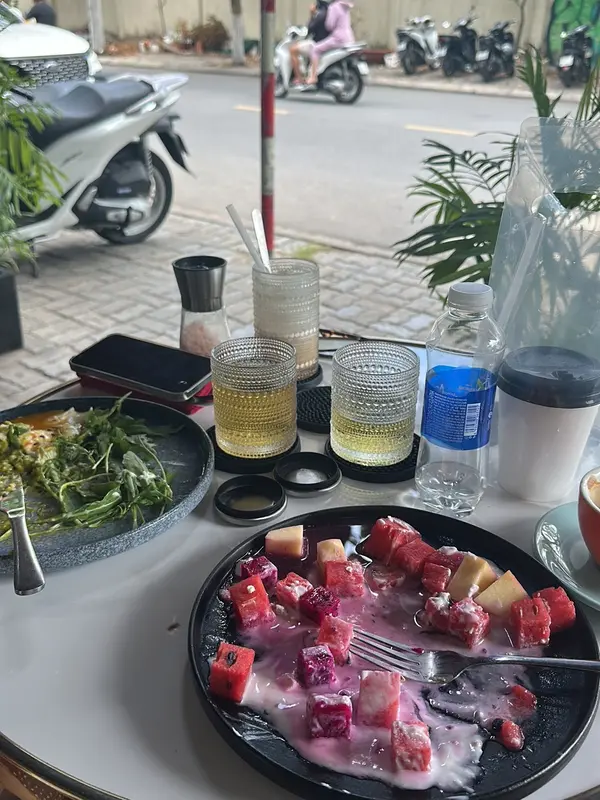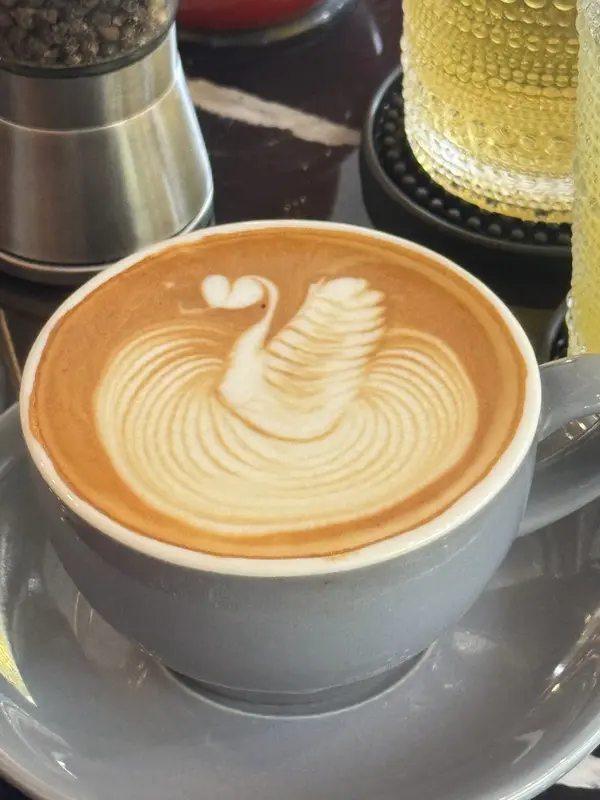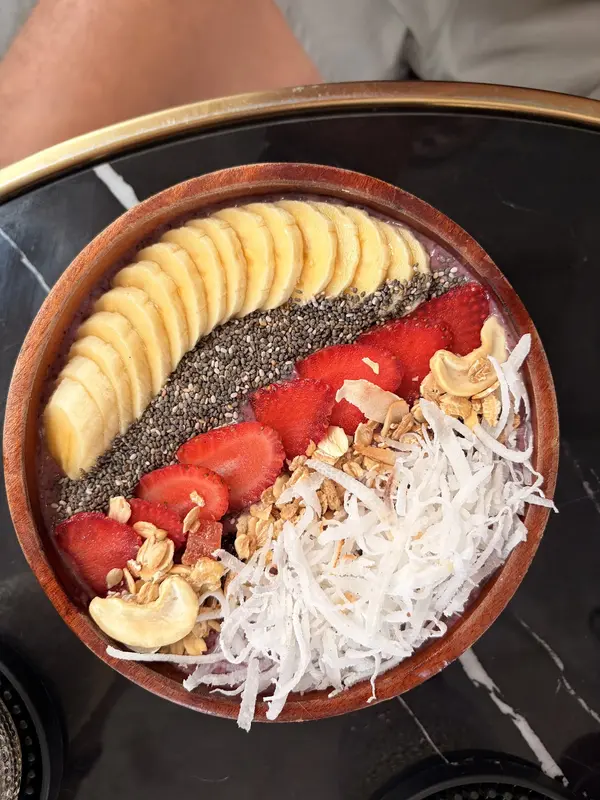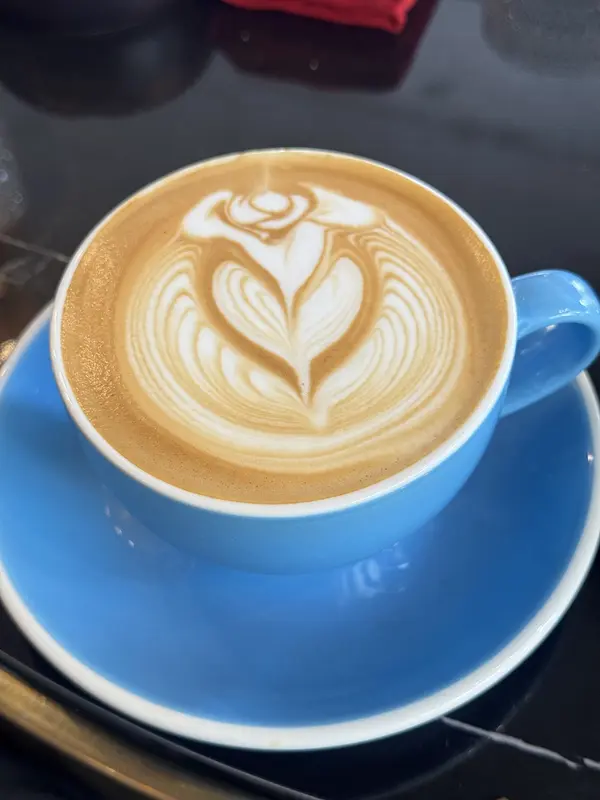
Salt coffee looks like a mistake on paper. Salt in coffee? Then you taste it, and the logic lands: the salt pulls the sweetness into focus, the cream softens the roast, and the whole cup tastes rounder than it has any right to.
It is one of the most ordered drinks in Da Nang right now, and it has a clear family tree. Here is where it comes from, how it is built, and how to drink it like a local.
Where salt coffee comes from
Cà phê muối is a Huế invention. The story most often told is that it started in a café in the old imperial city and spread from there, first across Huế, then down the coast to Da Nang and Hội An, then into the rest of the country.
That timeline is recent, roughly the last decade, so treat exact dates with suspicion. What matters for a visitor is simpler: Huế is the home, Da Nang is where it became a daily habit, and almost every café here now lists it.
If you are heading north on a day trip, the Hội An day trip from Da Nang route passes plenty of places that serve it, though Huế itself is a longer journey.
How salt coffee is actually made
There is no single recipe, but the structure is consistent.
- Coffee base. Strong Vietnamese coffee, usually robusta, brewed dark and concentrated. Sometimes phin-brewed, sometimes espresso.
- Salted cream. Whipped cream or milk with a pinch of salt, sometimes a little condensed milk, beaten until it sits on top like a soft cloud.
- Assembly. The coffee goes in first, the salted cream floats above, and the two are meant to be stirred together by the drinker.
The salt is not there to make it salty. It is there to cut sweetness and lift aroma, the same trick that makes salted caramel taste more like caramel. Good versions use a small amount, maybe a fraction of a gram per glass, and you notice it as depth rather than as salt.
Hot or iced?
Both exist. Iced is the default in Da Nang, and it works better in the heat: the cream stays distinct for longer and the drink evolves as the ice melts. Hot versions are richer and more concentrated, closer to a dessert.
What it tastes like
Expect bitter first, then sweet, then a soft savoury finish. The first sip is mostly foam, so it reads creamy and lightly salted. Once you stir, the robusta comes through and the cup turns into something between coffee and a milkshake.
If you normally take milk and sugar, salt coffee will feel familiar. If you drink black coffee, it may feel heavy. It is not a light drink, and it is not a thirst quencher. It is a slow cup.
Some cafés add cocoa powder or a dusting of coffee grounds on top. Neither is required, and neither is wrong.
How to order it in Da Nang
Say cà phê muối (roughly "ka feh moo-ee"). In tourist areas, "salt coffee" works everywhere.
A few practical points:
- Stir before drinking. The layers are deliberate, but the drink is not meant to be sipped unmixed all the way down.
- Ask for less ice if you want the flavour concentrated. "Ít đá" is the phrase.
- Ask for less sugar if you find Vietnamese coffee sweet in general. "Ít đường" covers it.
- Do not expect a refill culture. One glass is the portion.
If you want to build your Vietnamese coffee vocabulary properly, the guide to Vietnamese coffee in Da Nang covers cà phê sữa đá, bạc xỉu and the rest.
Salt coffee versus egg coffee versus coconut coffee
These three get confused, and they are genuinely different drinks.
- Salt coffee: robusta plus salted cream. Savoury edge, creamy, cold.
- Egg coffee: whipped egg yolk over coffee. Thick, custardy, closer to dessert. Our egg coffee in Da Nang guide breaks it down.
- Coconut coffee: coconut cream or milk blended with coffee. Tropical, sweet, often served as a slush.
If you only have time for one and you like savoury-sweet combinations, salt coffee is the interesting choice. If you want something closer to a pudding, order egg coffee.
What it costs
Local coffee in Da Nang is inexpensive. A salt coffee at a neighbourhood café typically runs roughly 25,000 to 45,000 VND, and in the beach and tourist areas it is often closer to 45,000 to 70,000 VND. Prices move, so check the menu.
For a fuller picture of what meals and drinks cost across the city, see Da Nang food prices in 2026.
Where to drink it in An Thượng
An Thượng, the grid of streets behind My Khe Beach, is the easiest place in the city to try salt coffee alongside a proper breakfast. The neighbourhood runs on coffee, and the An Thượng guide maps out the streets.
Two things worth knowing before you go:
- Mornings are the best window. Coffee culture here peaks before 10:00, when the beach crowd comes in from a swim.
- Rain does not stop it. If you are visiting in the wetter months, the Da Nang rainy season guide explains what stays open. For the November picture specifically, see Da Nang in November.
Salt coffee at Oh la la!
Oh la la! sits at 64A Mai Thúc Lân in An Thượng, a short walk inland from My Khe Beach, open every day, usually 08:00 to 18:00. Salt coffee is on the drinks list and guests mention it in reviews, alongside the egg coffee and the coconut coffee.
The terrace is open to the street under a bordeaux awning, with rattan bistro chairs and plants: sunny and pretty, sometimes loud and hot. Coffee usually arrives before the food, which is the right order. If brunch is running about 15 to 20 minutes when the room is full, you have your salt coffee to keep you company.
Order it with the Avocado Eggs Benedict (130,000 VND) if you want the most photographed plate in the house, or keep it simple with the Breakfast Combo (99,000 VND, toast and a fresh juice, 08:00 to 10:30). Minh, who runs the place, comes to the tables and sometimes sends over coconut chips. After the meal you can ask for a ticket and spin the prize wheel; every spin wins something.
Payment is cash or QR bank transfer. Find the location on Google Maps and see the latest on Instagram. If you are planning a longer morning, the brunch in Da Nang guide covers how to pace it.
One note: the kitchen handles eggs, gluten, dairy, seafood and nuts, so mention any allergy to the staff when you order.